New extensions: The first signs of a (R)evolution?

Domain names registration strategies follow reasoning sometimes hard to understand. However “sheep-like” reasoning is the one we can easily observe.

When Alphabet (Google) used for the first time its domain name ABC.XYZ, a sensitive rise of registrations for this extension has been observed. More than a simple registration, ABC.XYZ has created for the public, informed or not, an interrogation on the extension used: “they aren’t in .COM?”


New extension - abc.xyz Alphabet Google


New gTLDs’s program by ICANN has generated many thoughts on naming politic on the web. Until now, these extensions weren’t well known by the general public, despite the real concern of the brands to communicate on this subject: BNP Paribas, Leclerc and AXA for French examples, which have chosen a dedicated extension.

New gTLDs creation allows to register domain name by searching to give a meaning to the associated activity: be it geographical or by sector.

That way, the following sentence makes more sense: “When I look at the domain name, I know what’s behind it”.

Today, despite this opportunity, few companies of big scale have chosen to use a new extension. And none to my knowledge, suppress its former address to go on the new one. Which can be quite logical. But things which seem unchanging, are changing.

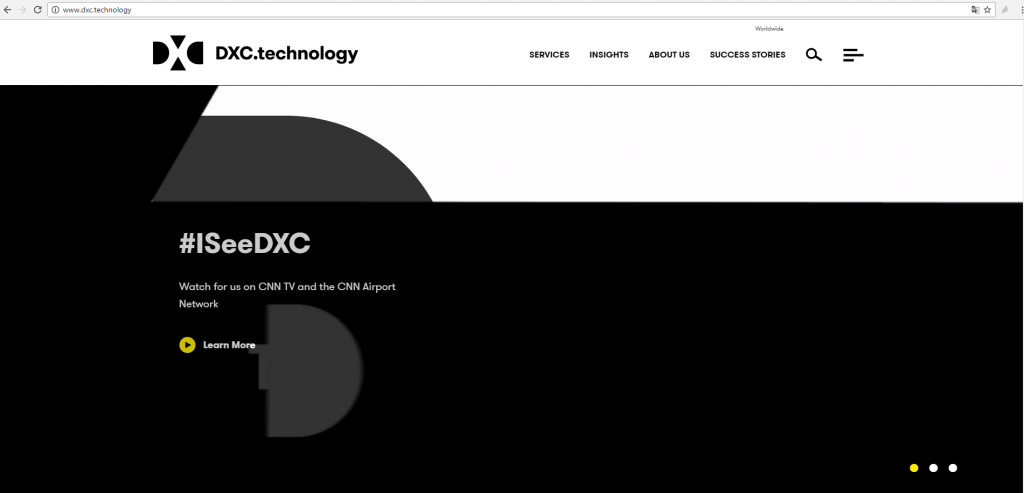
DXC an American company, present in NYSE, has changed its short domain name, three characters, dxc.com to dxc.technology. It was our colleagues of DNW who announced this news. However the email addresses service didn’t move to the new extension yet.


New extension - dxc.technology
Example of dxc.technology


This information may seem of little importance, but have in mind the impact it will have on the process of new extensions use. Simply put, it begins with the importance and the safety of the extension for a company to change. Wait for the next step! It may only be the beginning of an underlying trend on communication and naming strategy on Internet.

Technology revolution growth is usually slower than the one planned, but its impact is often more important… To be continued.

Connected objects: unavoidable in DDoS attacks?

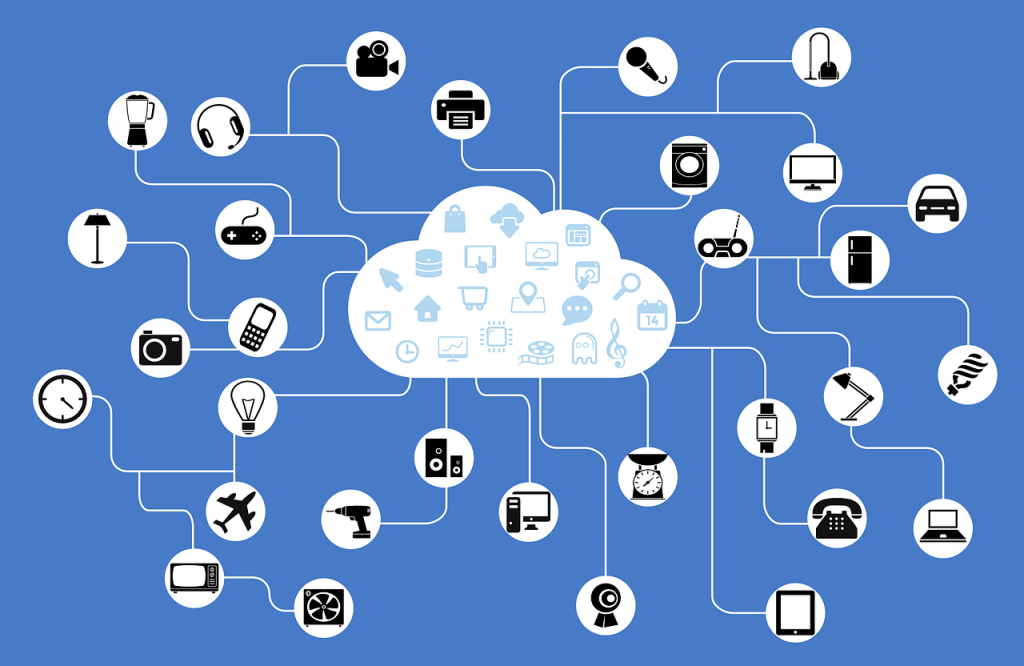
IoT- DDoS attacks


Nowadays consumers use and are around connected objects. The Internet of Things (IoT) includes all connected objects like a connected refrigerator, captor, light bulb, security camera, router or even a thermostat control. Their common point? To have an IP address and to be connected to communicate.

According to the American company Gartner, connected objects will reach 20.5 billion units by 2020. We will face an impressive growth of IoT in the years to come.

China, North America and West Europe will represent 67% of IoT in 2017.

However these connected objects are spreading frequently with security flaws, which is an opportunity for DDoS attacks!

Nowadays, Distributed Denial of Service (or DDoS) attacks are frequent. For hackers, it’s quite easy to set up attacks against an unprotected target. These attacks could lead to significant financial loss for companies by disruption of service (website or email) or indirectly, by the harm caused to the target’s image (bad buzz, bad reputation…).

With the arrival of connected objects, chances to be confronted to DDoS attacks are high.

These attacks are making a service unavailable by flooding the system with requests. With the help of digital and connected objects, hackers can send a massive number of requests on one or many DNS servers. They get to remotely control our objects because of their security flaws. If the DNS servers are not protected by a strong anti-DDoS filter, then they are under the risk of not absorbing the high number of requests and as a result, won’t respond to the user’s demands anymore.

In October 2016, DYN Company, DNS service supplier had been the victim of a DDoS attack by connected devices. DNS infrastructure services had been unavailable, which then impacted on their customers’ services: Twitter, Netflix, Spotify…

Many hours offline for these web pure players have a direct impact on sales revenue. DYN affirms that “Ten billion of IP addresses were touched” by this attack.

Last week, Melbourne IT Registrar was also a victim of a DDoS attack. Some of its customers were affected by this service disruption.

We might see more powerful attacks of this kind in 2017.

In the past, attacks were done by computers, today connected devices are a real weapon. Luckily those companies have affirmed wanting to reinforce security on their connected products.

DNS is an absolute priority. It’s essential to secure his strategic domain names by using highly secured DNS, so you can have a high permanent availability.

Nameshield offers a DNS Premium solution to gain performance and assure 100% availability.


Let’s talk about DNSSEC

DNSSEC has taken shape, and has become essential in security process recommended by ANSSI as well as the web in general. And yet, it’s a barbaric term that is often scary as we don’t know how it works and what it’s used for. This article will focus on clarifying this term.

The Domain Name System Security Extensions is a standardized protocol of communication allowing to resolve security problems related to DNS. We will begin by a reminder of what is the DNS.

What is the DNS?

Simply put, the Domain Name System is quite like an Internet directory. It’s a service translating a domain name into IP addresses. It relies on a data base distributed to millions of machines. Humans identify, memorize and differentiate more easily names than series of numbers. The DNS has been defined and implemented in the 80’s and has become an essential element of Internet.


How does the DNS work?

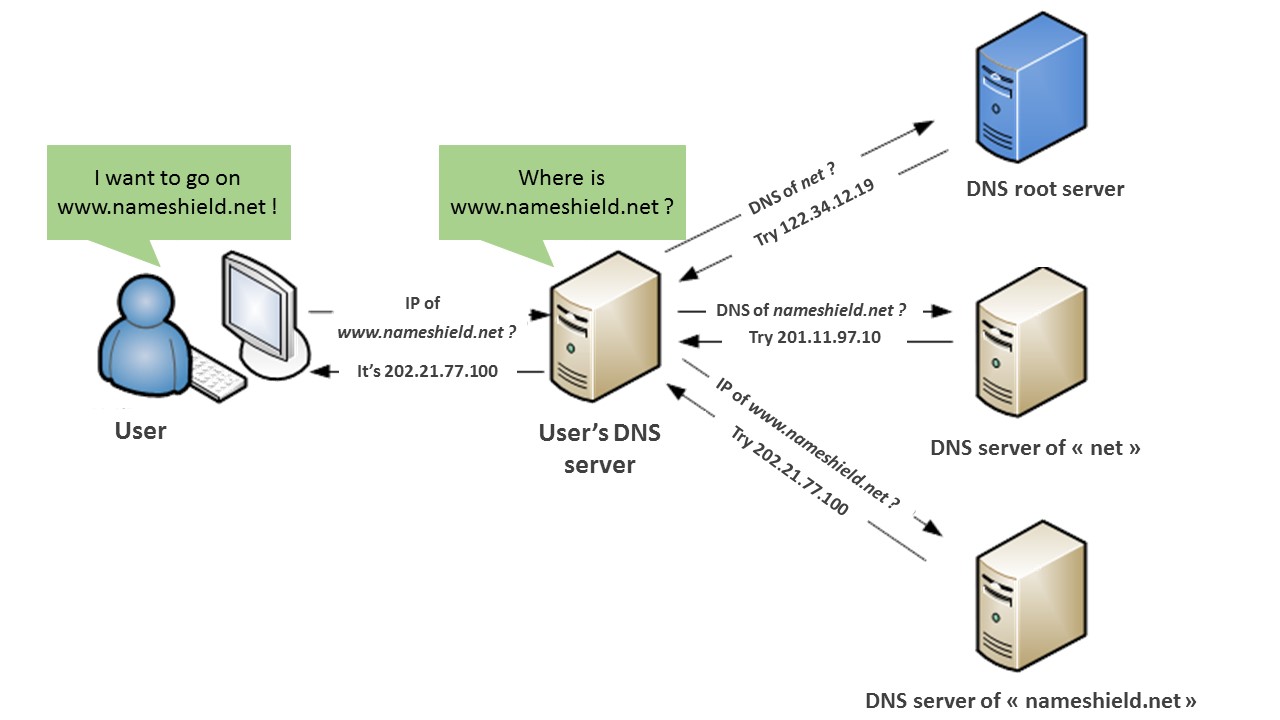
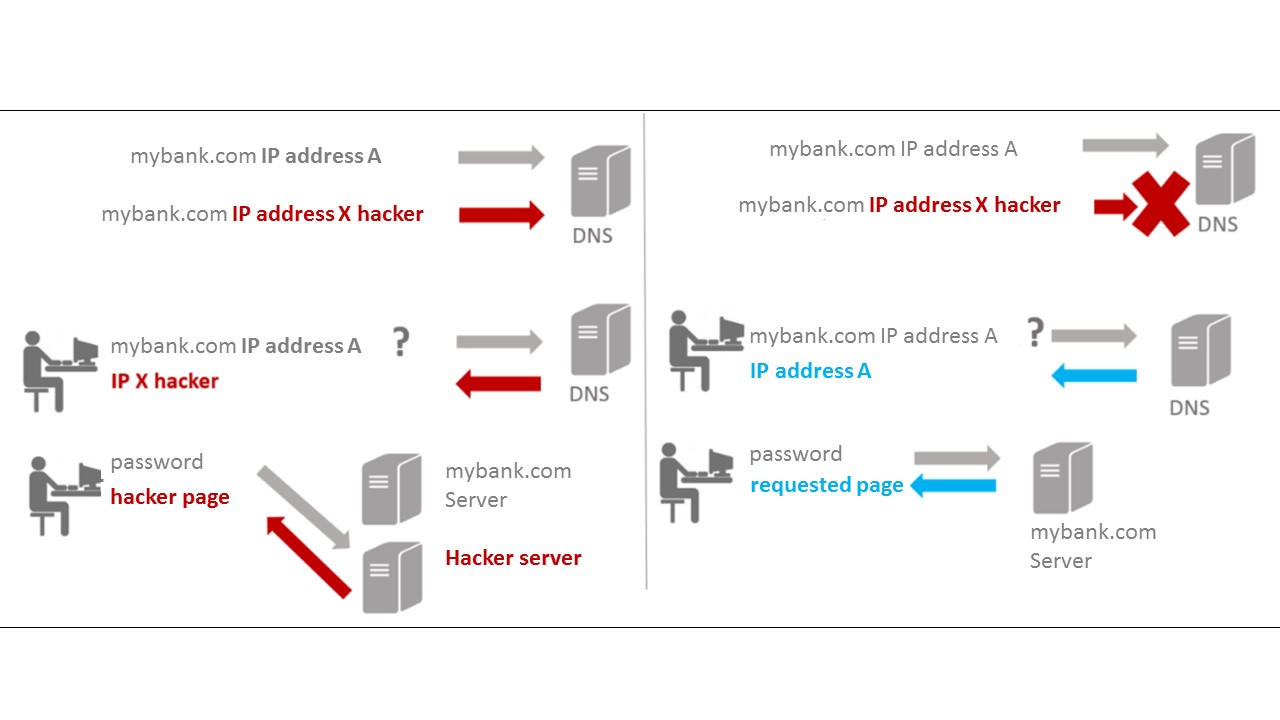
The DNS will allow web user to inform a domain name in his web browser to access a website. The browser will then “resolve” this domain name to obtain the IP address of the web server which hosts this website and displays it. We call this the “DNS resolution”.


DNS resolution 


What are the risks related to the DNS?

If the DNS goes down, your websites and emails are going to be unavailable, which is unthinkable nowadays. Other applications can be impacted in the companies: VPN access, intranet, cloud, VOIP… all that potentially needs a names resolution to IP addresses. DNS must be protected and stay highly available.

If the DNS protocol has been created with security in mind, many security flaws of the DNS protocol have been identified since its creation. The mainly flaws of DNS have been described in the RFC 3833 published in August 2004. Queries package interception, fake answer, data corruption, DNS cache poisoning and Denial of service.

To deal with this vulnerability, DNSSEC protocol has been created.


DNSSEC issues

DNSSEC prevents these different attacks, particularly cache poisoning, by securing the integrity of the DNS resolution. DNSSEC issues are:

  • How to secure the data integrity and authenticate DNS (resolver, server with authority) and keep backward compatibility with the DNS at the same time.
  • How to secure access security at the resource asked to billions web users?
  • How to find a solution light enough so it won’t surcharge names servers?


DNSSEC process

To secure the integrity of the DNS resolution, DNSSEC develops a chain of trust that goes back to the DNS root (refer to the DNS root server image above). Data security is done by keys mechanism (KSK for Key Signing Key & ZSK for Zone Signing Key) which signs DNS records in its own zone. Public keys are sent to the corresponding register to be archived; the register being linked by DNSSEC to the root server, the chain of trust is developed. Each DNS parent zone ensures the keys authenticity of its child zones by signing them.


Without DNSSEC                                  With DNSSEC

DNSSEC process

DNSSEC, Nameshield and you:

DNSSEC operates like an essential protection for your strategic names, which secures DNS’ answer authenticity. It would be advisable to identify names that need to be protected. All TLDs don’t propose DNSSEC yet. Here is a list of principal TLDs that does, it can change with many more coming:

TLDs supporting DNSSEC: .fr, .com, .be, .net, .eu, .pl, .re, .pm, .yt, .wf, .tf, .info, .li, .ch, .biz, .de, .sx, .org, .se, .nl, .in, .us, .at, .nu, .la, .ac, .cz, .me, .sh, .io, .uk, .co.uk, .me.uk, .org.uk.

All news gTLDs, like .paris, .club, .xyz, .wiki, .ink, support also DNSSEC.

DNSSEC is included without supplement in Nameshield DNS Premium offer. Nameshield supports you in this process to secure your immaterial assets and manages the integrality of the DNSSEC protocol for you, from keys creation, to storage and renewal.

It’s not the only answer to set, registry lock system, DNS Premium service, SSL certificates are complementary solutions to implement, we will have the opportunity to discuss it in other articles or in the next nameshield.cafe.


What is the appropriate way to deal with inappropriate content on the internet?

The internet is a great place to find content of all sorts. Videos of cats doing crazy stunts, memes, thought provoking lifestyle messages. But this rich availability means ease of access to a wide variety of inappropriate content.

Inappropriate content means any material that is disturbing, improper, and just wrong. It can be images of real or simulated violence or of a sexually explicit nature. Recently there have been concerns raised around disturbing YouTube videos. These strongly resemble videos of popular cartoons but contain disturbing and inappropriate content not suitable for children. In some cases the videos are parodies, some are clear cases of copyright infringement where unauthorised use is made of authentic cartoons or characters, most are simply not aimed at an audience of children.

So what is the best way to deal with cases that you discover?

Google and social media sites offer reporting tools highlighting inappropriate content and copyright or trademark infringement cases.

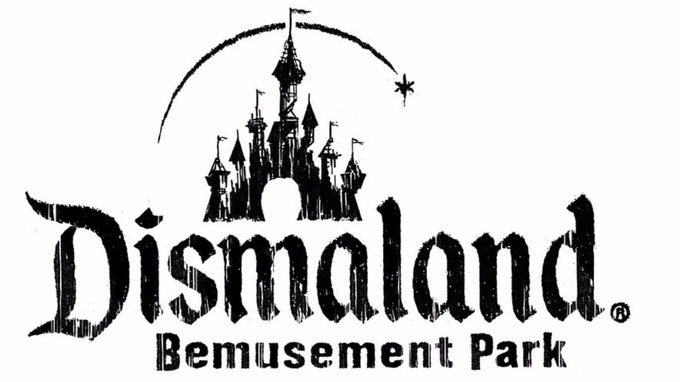
A copyright infringement submission is a legal process and only accepted from the right owner or their authorised agent.  But it is essential to consider if the content is being used fairly. Fair use generally covers adaptations of original works for the purpose of parody or comment. Parodic uses of copyrighted works are normally justified by freedom of expression but the key factor is that the public must be able to differentiate between the works. If the content is being used fairly then it is best to avoid submitting what might be considered a false claim and maybe even provoking further parodying activity. In summer 2015 the artist Banksy launched the clearly satirical Dismaland, an obvious play on words and “look and feel” of Disneyland, but Disney (sensibly) remained silent.


Dismaland


Inappropriate disturbing content should be flagged using the platform system. YouTube takes feedback very seriously and they appreciate people drawing attention to problematic content and make it easy for anyone to flag a video.  Flagged videos are manually reviewed 24/7 and any videos that don’t belong are removed within hours.  In addition they have a YouTube Kids app which helps limit access to flagged content.

Of course no filter is 100% accurate and nothing replaces vigilance. Careful monitoring can help ensure that your copyright protected content is not being used unfairly and allow you to submit takedown notices. But there is no product which can ever replace parental awareness.


YouTube

Towards a 100% encrypted web, the new challenges of HTTPS

Between Mars, 2016 and Mars, 2017, Let’s Encrypt has issued 15 270 SSL certificates containing “PayPal” term, 14 766 of these certificates were issued for domains leading to phishing websites. It’s the result of the recent analysis led by Vincent Lynch, SSL expert.
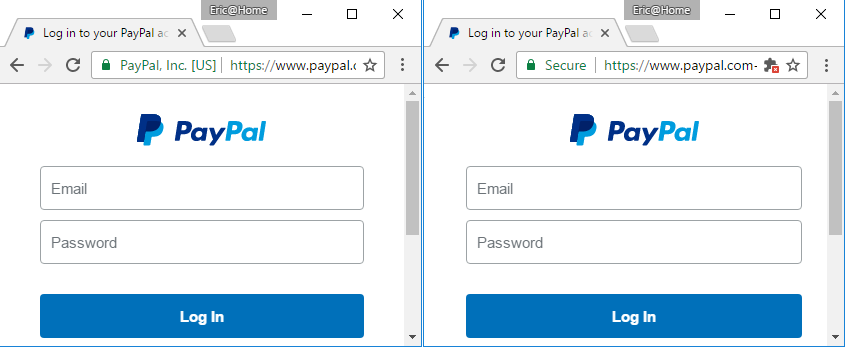
 

Paypal fake or real


Lynch was closely interested in this case, after an interesting article published by Eric Lawrence (Google Chrome Security Team) in January 2017, the image above is from this article named “Certified Malice “which exposes deceitful SSL certificates and counts “only” 709 cases for PayPal and much more for big American brands: BankOfAmerica, Apple, Amazon, American Express, Chase Bank, Microsoft, Google…

What’s the impact on web users?

In January 2017, Google and Mozilla have updated their browser with Chrome 56 and Firefox 51, and a major change has appeared for web users: “Secure” and “Not secure” have appeared in the address bar.

In 2015, the initiative Let’s Encrypt, supported by big names of Internet (EFF, Mozilla, Cisco, Akamaï…) was created with the purpose of massively and freely spreading SSL certificates to the whole world. One year and a half later, Let’s Encrypt issued millions of certificates and other initiatives have followed.

Who says free, says few or no verification for delivering certificates, and an army of cybercriminals who rush towards these certificates to secure their illicit contents: phishing, malware… and show the term “secure” on their address bar. How can the random web user easily differentiate between real and fake?

For reminder, there are three verification levels for certificates allowing to show HTTPS: Domain Validation (DV) considered as low authentication, Organization Validation (OV) with high authentication and Extended Validation (EV) with strengthened authentication.

Free certificates are DV, and represent almost 90% of certificates, most of the time on “small” websites. OV certificates (9%) and EV certificates (1%) are fewer but protect almost all websites with high traffic. GAFA (Google, Apple, Facebook, Amazon), are all in OV or EV for example.
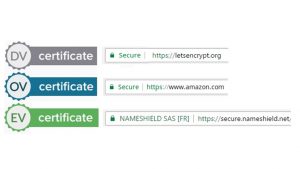
SSL Certificates - DV OV EV

The problem for web user is the lack of distinction in browsers between DV and OV certificates. These two types are shown the same way, as being “secure”, but EV certificates display the name of the certificate’s owner in the address bar.

By looking at the image at the beginning of this article, we understand easily the concern on EV for PayPal: to easily differentiate real from fake. This is the reason why Nameshield will systematically advise the use of EV for display website, in particular for their clients exposed to cybersquatting, phishing or counterfeit.


Two forces opposed for the future of HTTPS

Sadly, things aren’t so simple, and where logic would like to differentiate clearly between the three types of certificates, or at least two types (DV/OV), Google disagrees and wishes, on the contrary, to suppress the EV display altogether. Chris Palmer (Senior Software Engineer for Chrome) subtly confirms this point in his article published here.

Today we are in a situation where Historical Certification Authorities, Microsoft and to a smaller extent, Apple, are facing Google, Mozilla and Let’s Encrypt in a perspective resumed here:


Google/Mozilla/Let’s Encrypt perspective:


HTTP = not secure


HTTPS = secure

Historical Certification Authorities/ Microsoft/Apple perspective:

HTTP = not secure

HTTPS DV = no sign in the address bar

HTTPS OV = secure

HTTPS EV = company’s name in the address bar


Inside the higher authority of SSL, the CAB/Forum, the discussion is still opened at this moment. We can easily understand that Certification Authorities look unfavorably at the end of the visual distinction between DV/OV/EV in browsers, it’s their purpose to deliver certificates with high authentication, but is it wrong? It’s to reassure the web users by securing the identity of the website they visit.

In the opposite, Google and Let’s Encrypt don’t hesitate to say that phishing and guarantee of website content, don’t depend on Certification Authorities, and that there are other systems responsible for that (for example, Google Safe Browsing). Therefore we have to have a binary perspective: exchanges are encrypted and inviolable (= HTTPS = secure) or they aren’t (= HTTP = not secure). We can simply wonder by this perspective, which defends itself, if it’s not a semantic problem of the used term “secure” instead.

What does “secure” mean for web users? By seeing “secure” in their address bar, do they enter their login/password or credit card numbers? We can think that yes, they do, and in this case, actual risk does exist. Kirk Hall (Director Policy and Compliance – SSL, Entrust) has done a noticed intervention at the last RSA conference on this subject (if you have time, the record is here).

You can’t neglect financial industry weight and big companies which look unfavorably at the growth of fraud online risk, Google can’t ignore that.


How to reassure web users?

For the time being, we can only encourage you to choose Extended Validation certificates for your display websites and/or your e-shop in order to facilitate web users’ tasks and to stay informed of what’s going on on the web. To reassure and educate web users by mentioning on your website the choice you have made in security and authentication.

As you probably monitor domain name registrations on your brands, today you can also monitor certificates registrations so you can react quickly.

And as web user, when the term “secure” is mentioned in the address bar, systematically control the certificate’s details to see who the owner is.