Mastodon : What about cybersquatting ?

Mastodon : What about cybersquatting


Communication on social media is the subject of many justified concerns from trademarks owners. As a matter of fact, user’s names creation, called “username”, are not legally protected beforehand. Specifically, the owner has to register or retrieve the username corresponding to their brand or demonstrate to the social media that the use of their brand is used with ill intent. In short, it’s a time consuming activity…

Mastodon, a few months old social network, trendy since a few days, is the subject of some articles regarding its nature, process and goal. But what about the associated brands protection?

Mastodon is a social network, created by Eugen Rochko, a 24 years old German developer. Twitter’s clone where characters are limited to 500, Mastodon is free, open source and not centralized. We will be interested in this last term. It’s possible to access Mastodon with its “basic official” website mastodon.social.

However mastodon.social is only an instance, you can use others like mastodon.fun developed in Angers. You choose a username for an instance and your complete username will be @username@instance. Keep in mind that instances are associable with each other, giving them a federal term.

Anyone can create an instance, so you have two cumulative possibilities:

  • Either you register your brand for all existing instances (today there are more than 2000 of them and it’s only the beginning).
  • Or you create your instance, closed, corresponding to your brand.

As you might have guessed, I will advise you the second choice: as it doesn’t exist any certification on Mastodon, anyone can be anybody. But by creating an instance corresponding to your principal domain name, you create this certification!

Of course .BRAND owners should create social.BRAND so they have a dedicated instance which allows them to highlight their TLD, like @pierre.dupont@social.brand.

If you need more information on Mastodon, don’t hesitate to contact us.

Good name, bad product

New product development is exciting – and costly. In addition to the essential R&D, market research and marketing initiatives, all products require a name which is (ideally) distinctive and available. Finding the right name in itself is a costly business that involves many steps: name & logo creation, trademark research, brand validation & strategy, trademark filing and protection). Depending on where you plan to launch and therefore protect your product name will define the costs which will probably range from $5,000 to $50,000+.

A failed product is a costly error for any company. In addition to the wasted time the failure can haunt companies for years to come. Now a new museum is opening in Sweden to celebrate these failures and hopefully to help companies learn how to succeed.

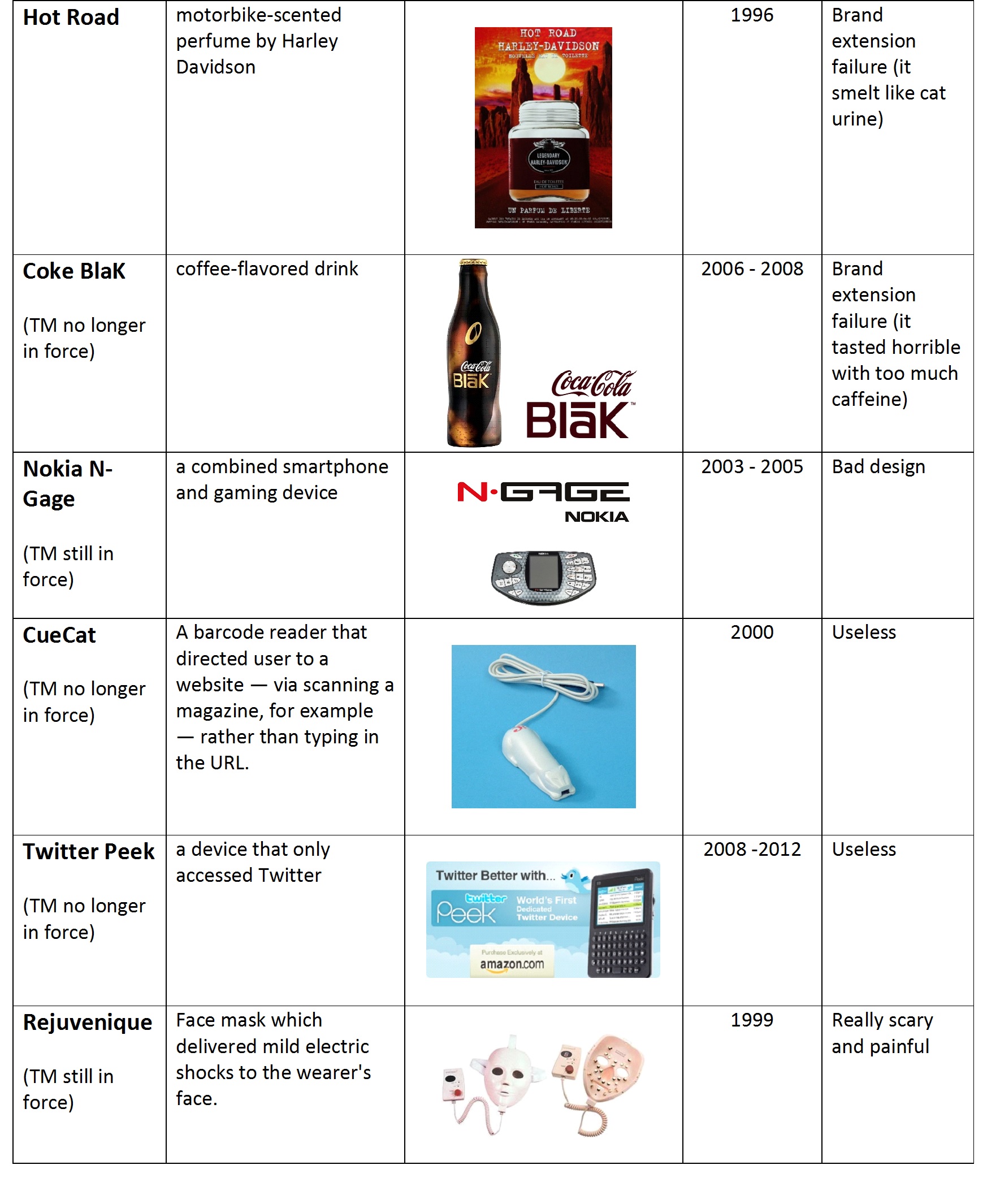
The Museum of Failure (museumoffailure.se) opens in Helsingborg in June this year with the tag line “Learning is the only way to turn failure into success”. The collection consists of over sixty failed products and services from around the world, many of which have carefully created trademarked names. The founder Samuel West comments that even big and competent companies fail. It is important to create a culture that accepts failure and learns from it.

Here are some of the branded exhibits which have failed for various reasons ranging from poor design to products that were just plain awful or simply useless.


Examples of failed products


One interesting exhibit on display is a board game called Trump, The Game. This was similar to Monopoly but with Trump dollars, Trump properties and T-shaped game pieces. Trump, The Game was launched in 1989 but only sold 800,000 units instead of the estimated two million copies. It was re-released in 2004 but still failed to impress. It is interesting to note that the original trade mark is no longer in force but a new application was filed in the US at the end 2016.


Trump, The Game

New extensions: The first signs of a (R)evolution?

Domain names registration strategies follow reasoning sometimes hard to understand. However “sheep-like” reasoning is the one we can easily observe.

When Alphabet (Google) used for the first time its domain name ABC.XYZ, a sensitive rise of registrations for this extension has been observed. More than a simple registration, ABC.XYZ has created for the public, informed or not, an interrogation on the extension used: “they aren’t in .COM?”


New extension - abc.xyz Alphabet Google


New gTLDs’s program by ICANN has generated many thoughts on naming politic on the web. Until now, these extensions weren’t well known by the general public, despite the real concern of the brands to communicate on this subject: BNP Paribas, Leclerc and AXA for French examples, which have chosen a dedicated extension.

New gTLDs creation allows to register domain name by searching to give a meaning to the associated activity: be it geographical or by sector.

That way, the following sentence makes more sense: “When I look at the domain name, I know what’s behind it”.

Today, despite this opportunity, few companies of big scale have chosen to use a new extension. And none to my knowledge, suppress its former address to go on the new one. Which can be quite logical. But things which seem unchanging, are changing.

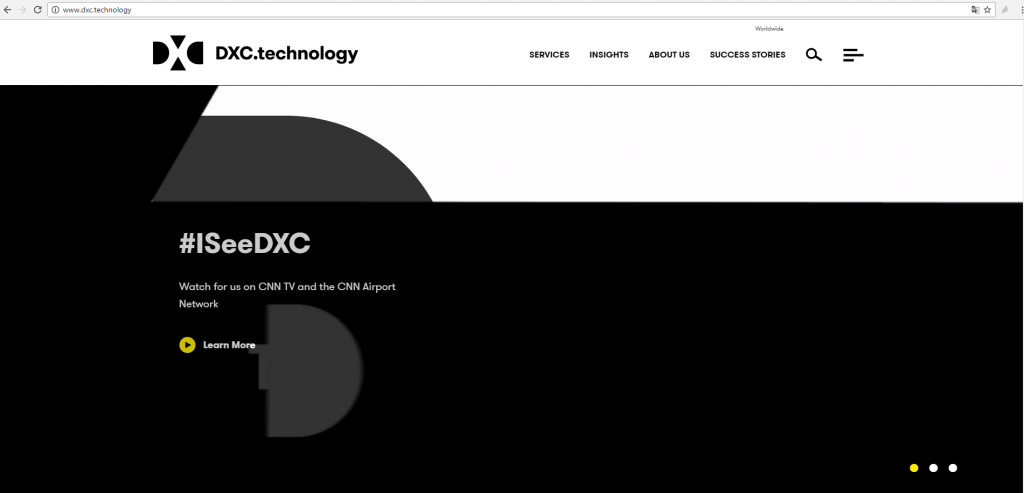
DXC an American company, present in NYSE, has changed its short domain name, three characters, dxc.com to dxc.technology. It was our colleagues of DNW who announced this news. However the email addresses service didn’t move to the new extension yet.


New extension - dxc.technology
Example of dxc.technology


This information may seem of little importance, but have in mind the impact it will have on the process of new extensions use. Simply put, it begins with the importance and the safety of the extension for a company to change. Wait for the next step! It may only be the beginning of an underlying trend on communication and naming strategy on Internet.

Technology revolution growth is usually slower than the one planned, but its impact is often more important… To be continued.

Connected objects: unavoidable in DDoS attacks?

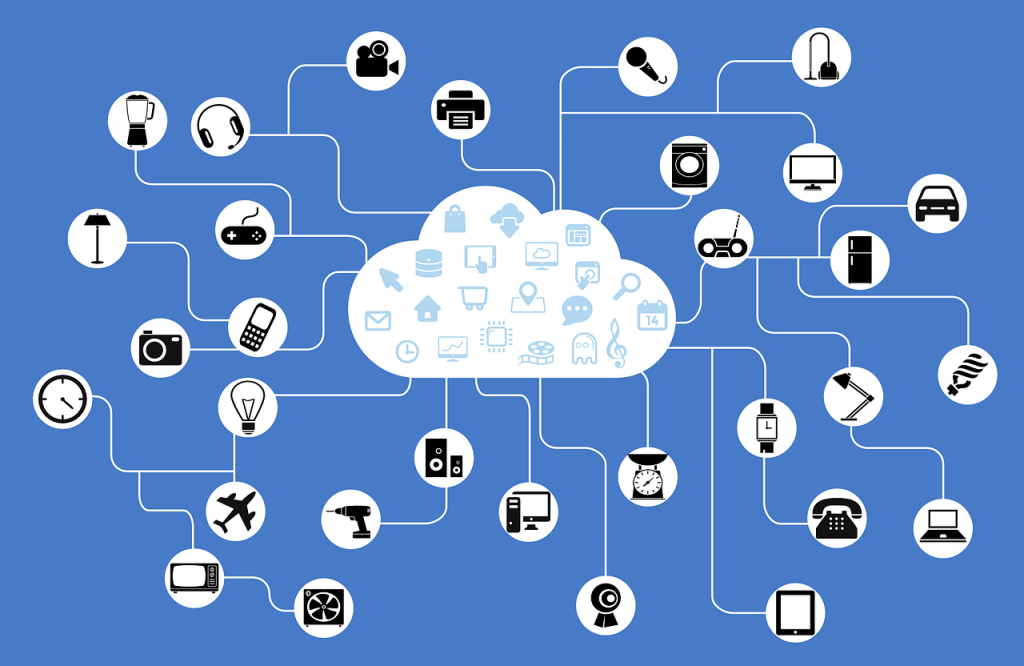
IoT- DDoS attacks


Nowadays consumers use and are around connected objects. The Internet of Things (IoT) includes all connected objects like a connected refrigerator, captor, light bulb, security camera, router or even a thermostat control. Their common point? To have an IP address and to be connected to communicate.

According to the American company Gartner, connected objects will reach 20.5 billion units by 2020. We will face an impressive growth of IoT in the years to come.

China, North America and West Europe will represent 67% of IoT in 2017.

However these connected objects are spreading frequently with security flaws, which is an opportunity for DDoS attacks!

Nowadays, Distributed Denial of Service (or DDoS) attacks are frequent. For hackers, it’s quite easy to set up attacks against an unprotected target. These attacks could lead to significant financial loss for companies by disruption of service (website or email) or indirectly, by the harm caused to the target’s image (bad buzz, bad reputation…).

With the arrival of connected objects, chances to be confronted to DDoS attacks are high.

These attacks are making a service unavailable by flooding the system with requests. With the help of digital and connected objects, hackers can send a massive number of requests on one or many DNS servers. They get to remotely control our objects because of their security flaws. If the DNS servers are not protected by a strong anti-DDoS filter, then they are under the risk of not absorbing the high number of requests and as a result, won’t respond to the user’s demands anymore.

In October 2016, DYN Company, DNS service supplier had been the victim of a DDoS attack by connected devices. DNS infrastructure services had been unavailable, which then impacted on their customers’ services: Twitter, Netflix, Spotify…

Many hours offline for these web pure players have a direct impact on sales revenue. DYN affirms that “Ten billion of IP addresses were touched” by this attack.

Last week, Melbourne IT Registrar was also a victim of a DDoS attack. Some of its customers were affected by this service disruption.

We might see more powerful attacks of this kind in 2017.

In the past, attacks were done by computers, today connected devices are a real weapon. Luckily those companies have affirmed wanting to reinforce security on their connected products.

DNS is an absolute priority. It’s essential to secure his strategic domain names by using highly secured DNS, so you can have a high permanent availability.

Nameshield offers a DNS Premium solution to gain performance and assure 100% availability.


Let’s talk about DNSSEC

DNSSEC has taken shape, and has become essential in security process recommended by ANSSI as well as the web in general. And yet, it’s a barbaric term that is often scary as we don’t know how it works and what it’s used for. This article will focus on clarifying this term.

The Domain Name System Security Extensions is a standardized protocol of communication allowing to resolve security problems related to DNS. We will begin by a reminder of what is the DNS.

What is the DNS?

Simply put, the Domain Name System is quite like an Internet directory. It’s a service translating a domain name into IP addresses. It relies on a data base distributed to millions of machines. Humans identify, memorize and differentiate more easily names than series of numbers. The DNS has been defined and implemented in the 80’s and has become an essential element of Internet.


How does the DNS work?

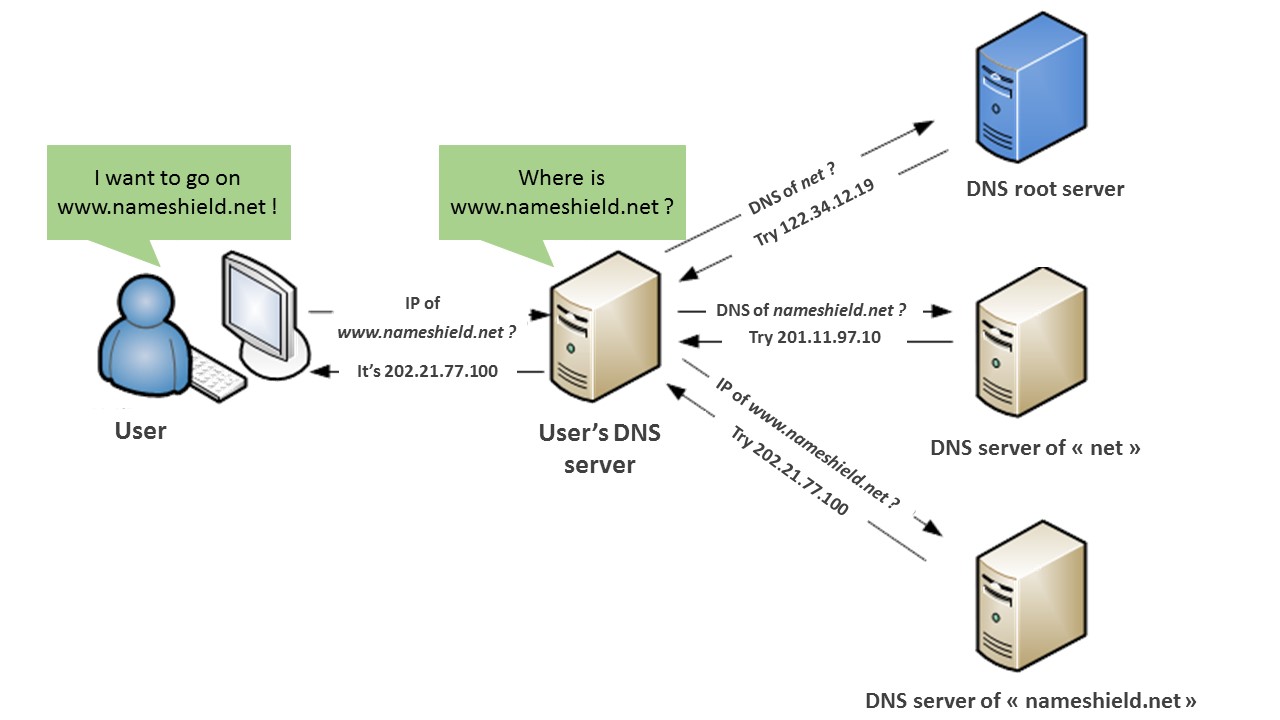
The DNS will allow web user to inform a domain name in his web browser to access a website. The browser will then “resolve” this domain name to obtain the IP address of the web server which hosts this website and displays it. We call this the “DNS resolution”.
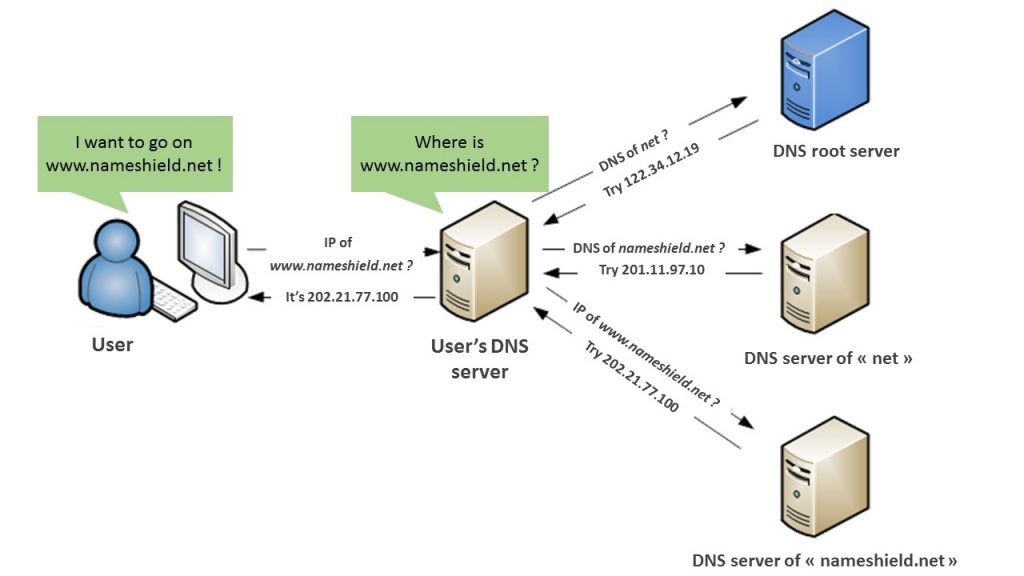
 

DNS resolution 


What are the risks related to the DNS?

If the DNS goes down, your websites and emails are going to be unavailable, which is unthinkable nowadays. Other applications can be impacted in the companies: VPN access, intranet, cloud, VOIP… all that potentially needs a names resolution to IP addresses. DNS must be protected and stay highly available.

If the DNS protocol has been created with security in mind, many security flaws of the DNS protocol have been identified since its creation. The mainly flaws of DNS have been described in the RFC 3833 published in August 2004. Queries package interception, fake answer, data corruption, DNS cache poisoning and Denial of service.

To deal with this vulnerability, DNSSEC protocol has been created.


DNSSEC issues

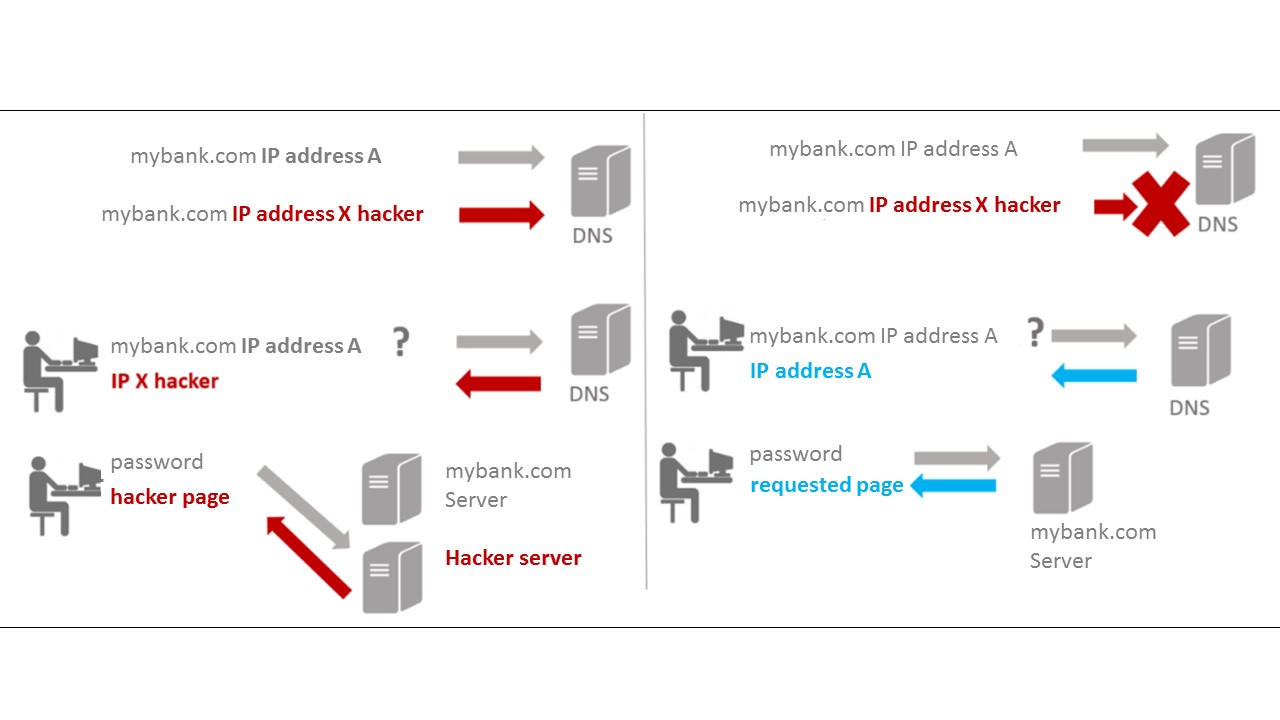
DNSSEC prevents these different attacks, particularly cache poisoning, by securing the integrity of the DNS resolution. DNSSEC issues are:

  • How to secure the data integrity and authenticate DNS (resolver, server with authority) and keep backward compatibility with the DNS at the same time.
  • How to secure access security at the resource asked to billions web users?
  • How to find a solution light enough so it won’t surcharge names servers?


DNSSEC process

To secure the integrity of the DNS resolution, DNSSEC develops a chain of trust that goes back to the DNS root (refer to the DNS root server image above). Data security is done by keys mechanism (KSK for Key Signing Key & ZSK for Zone Signing Key) which signs DNS records in its own zone. Public keys are sent to the corresponding register to be archived; the register being linked by DNSSEC to the root server, the chain of trust is developed. Each DNS parent zone ensures the keys authenticity of its child zones by signing them.


Without DNSSEC                                  With DNSSEC
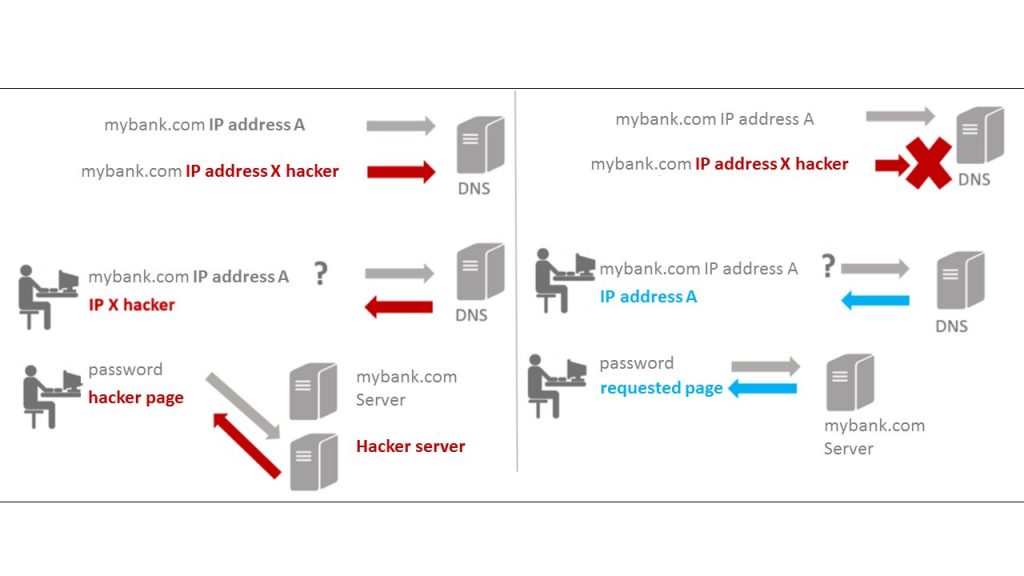
DNSSEC process

DNSSEC, Nameshield and you:

DNSSEC operates like an essential protection for your strategic names, which secures DNS’ answer authenticity. It would be advisable to identify names that need to be protected. All TLDs don’t propose DNSSEC yet. Here is a list of principal TLDs that does, it can change with many more coming:

TLDs supporting DNSSEC: .fr, .com, .be, .net, .eu, .pl, .re, .pm, .yt, .wf, .tf, .info, .li, .ch, .biz, .de, .sx, .org, .se, .nl, .in, .us, .at, .nu, .la, .ac, .cz, .me, .sh, .io, .uk, .co.uk, .me.uk, .org.uk.

All news gTLDs, like .paris, .club, .xyz, .wiki, .ink, support also DNSSEC.

DNSSEC is included without supplement in Nameshield DNS Premium offer. Nameshield supports you in this process to secure your immaterial assets and manages the integrality of the DNSSEC protocol for you, from keys creation, to storage and renewal.

It’s not the only answer to set, registry lock system, DNS Premium service, SSL certificates are complementary solutions to implement, we will have the opportunity to discuss it in other articles or in the next nameshield.cafe.